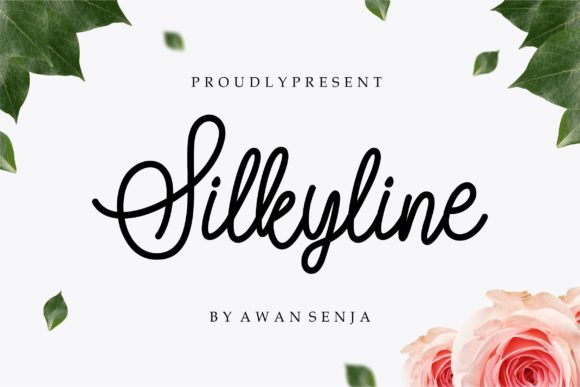
Introducing Silkyline: A Script Font for Modern Web Design
The Power of a Well-Designed Font in Digital Experiences
As a web designer, I know that typography is more than just aesthetics—it's a critical element of user experience. The right font can elevate a design, improve readability, and reinforce brand identity. When selecting fonts for digital projects, it's essential to consider not only their visual appeal but also how they perform across different screen sizes, layouts, and content types.
What Is Silkyline?
Silkyline is a script font that balances elegance with approachability. Its flowing lines and soft curves give it a charming, handwritten feel while maintaining clarity and professionalism. This makes it versatile for a wide range of design applications—from subtle accents to bold statements.
Unlike some overly stylized script fonts that can be difficult to read, Silkyline maintains excellent legibility even at smaller sizes. It’s designed to work well in both digital and print environments, making it a reliable choice for creative professionals who need a font that performs consistently across mediums.
How Silkyline Enhances Web Design
In web design, the choice of font can significantly impact how users perceive your brand. Silkyline brings a touch of sophistication and personality to any project, whether you're designing a landing page, a product catalog, or a social media graphic.
Its fluid nature makes it ideal for headers, hero sections, and call-to-action buttons where you want to capture attention without overwhelming the viewer. At the same time, its clean structure ensures it remains readable in body text and supporting content, which is crucial for long-form content like blog posts or online store descriptions.
Using Silkyline in Branding and Digital Assets
Silkyline is particularly effective in branding scenarios where a modern yet elegant look is desired. For example, a boutique online store can use Silkyline for logo text and promotional banners to create a cohesive, stylish brand identity. Similarly, a coaching website can benefit from Silkyline’s warm and inviting character to build trust and connection with its audience.
When paired with a simple sans serif font for body copy, Silkyline adds visual interest without sacrificing readability. This contrast helps guide the user’s eye through the layout, improving scanning behavior and overall usability.
Optimizing Silkyline for Responsive Layouts
With the rise of mobile browsing, ensuring your font choices are responsive is more important than ever. Silkyline performs well on both desktop and mobile screens, adapting smoothly to different resolutions and screen sizes.
On small buttons and dark backgrounds, Silkyline remains clear and legible. Its subtle variations in weight and stroke help it stand out against image overlays and background textures, making it an excellent choice for digital ads and course sales pages where visual hierarchy is key.
Font Pairing and Stylistic Flexibility
One of the strengths of Silkyline is its ability to pair well with other fonts, depending on the design goal. For a more editorial feel, it can be combined with a classic serif font to create a balanced, professional look. Alternatively, pairing it with a modern sans serif font can add a contemporary edge to your design.
Silkyline also offers several weights and alternates, giving designers flexibility in creating typographic variations. Whether you’re designing a portfolio site, a brand kit, or a social media graphic, these options allow for greater customization and visual diversity.
Technical Considerations for Web Use
When using Silkyline on the web, it’s important to check the included styles, file formats, and webfont availability. Most premium fonts like Silkyline come with multiple weights and styles, ensuring compatibility with various design needs. Additionally, multilingual support is often included, making it suitable for international projects.
For commercial use, always verify the licensing terms to ensure compliance with your intended application. Whether you’re building a client project, an online store, or a digital template, understanding the font’s usage rights will help avoid potential issues down the line.
Conclusion
Silkyline is more than just a script font—it’s a powerful tool for enhancing digital experiences. With its balance of style and readability, it supports everything from brand identity to conversion-focused layouts. By choosing Silkyline, you’re not just adding a font to your design—you’re investing in a solution that improves usability, visual hierarchy, and overall user engagement.